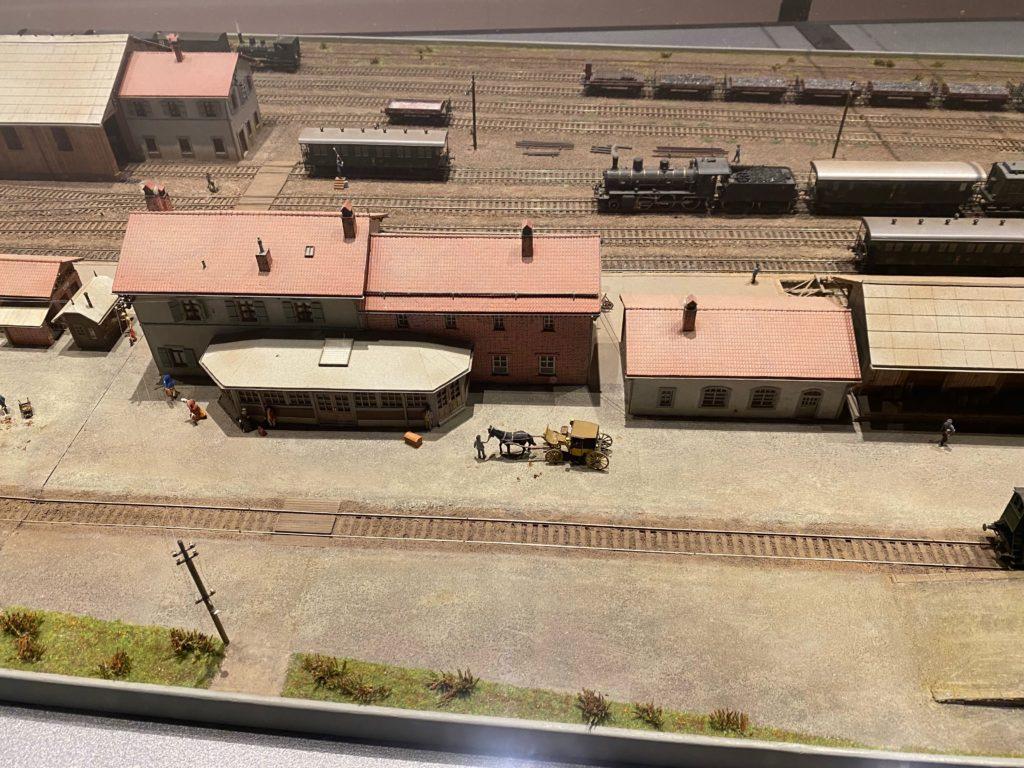
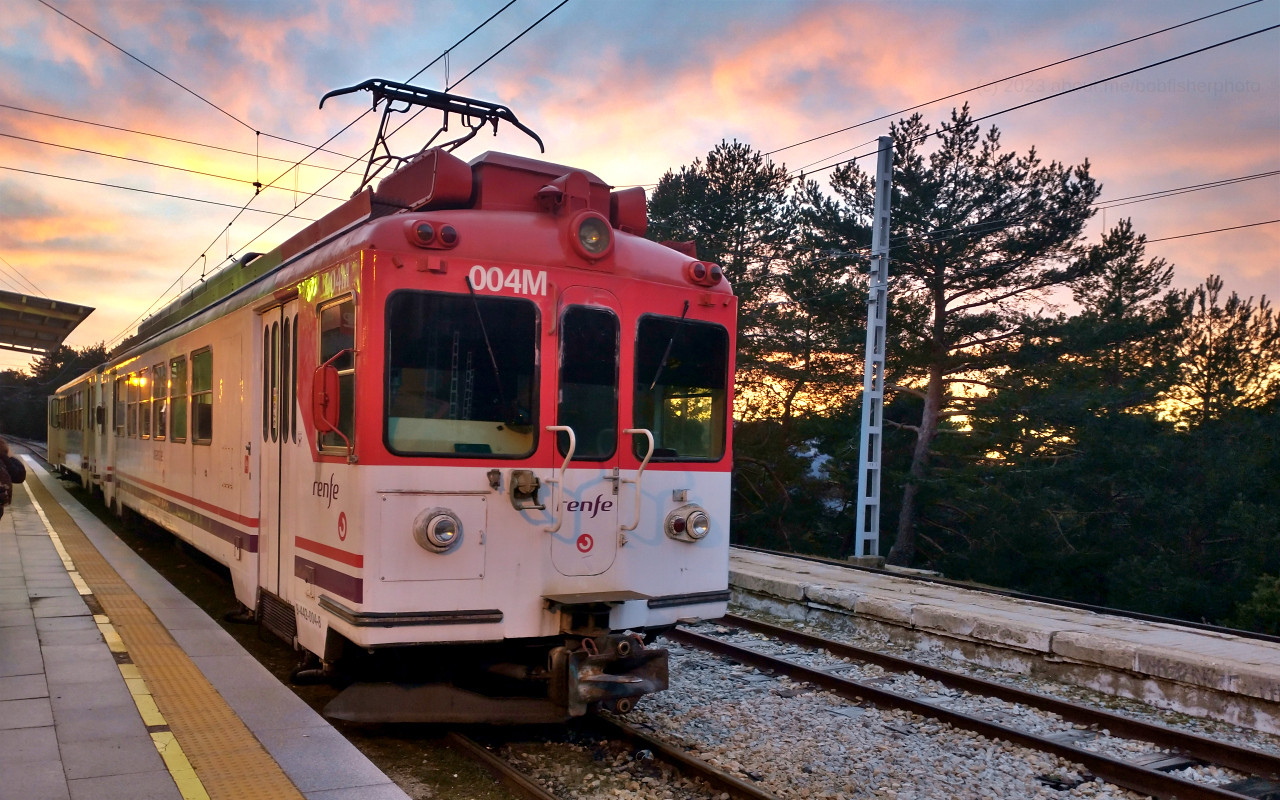
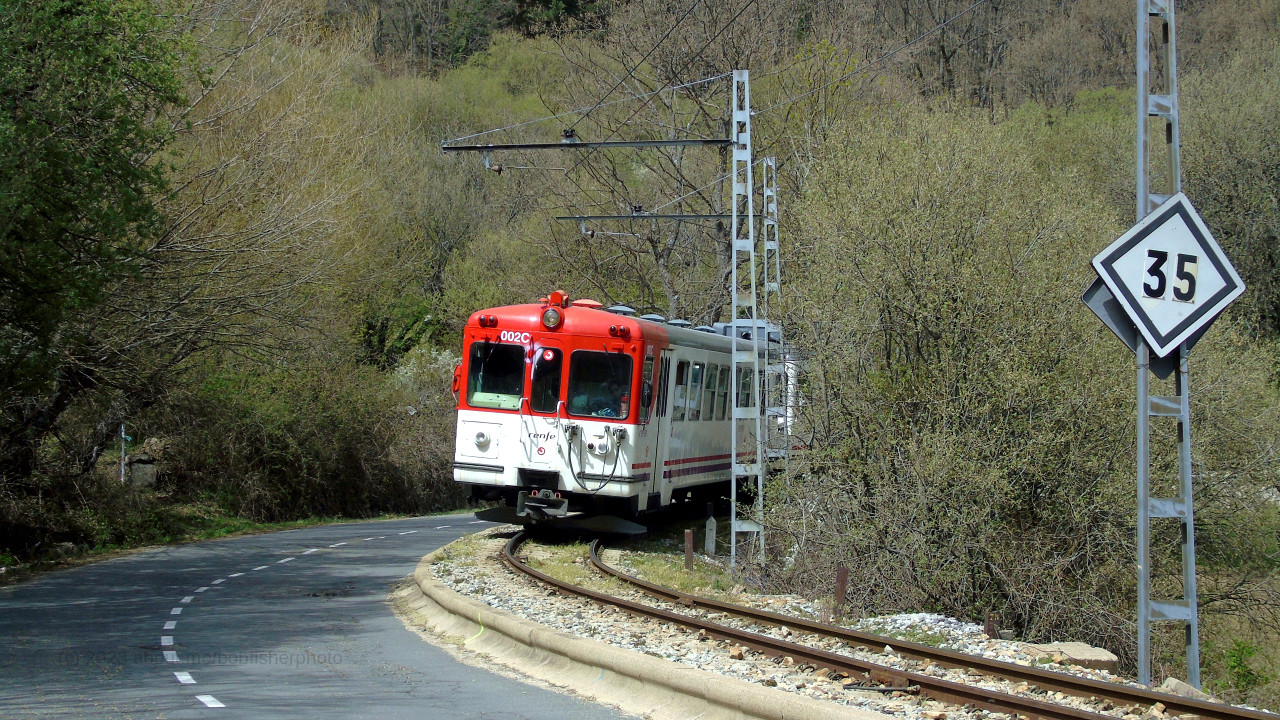
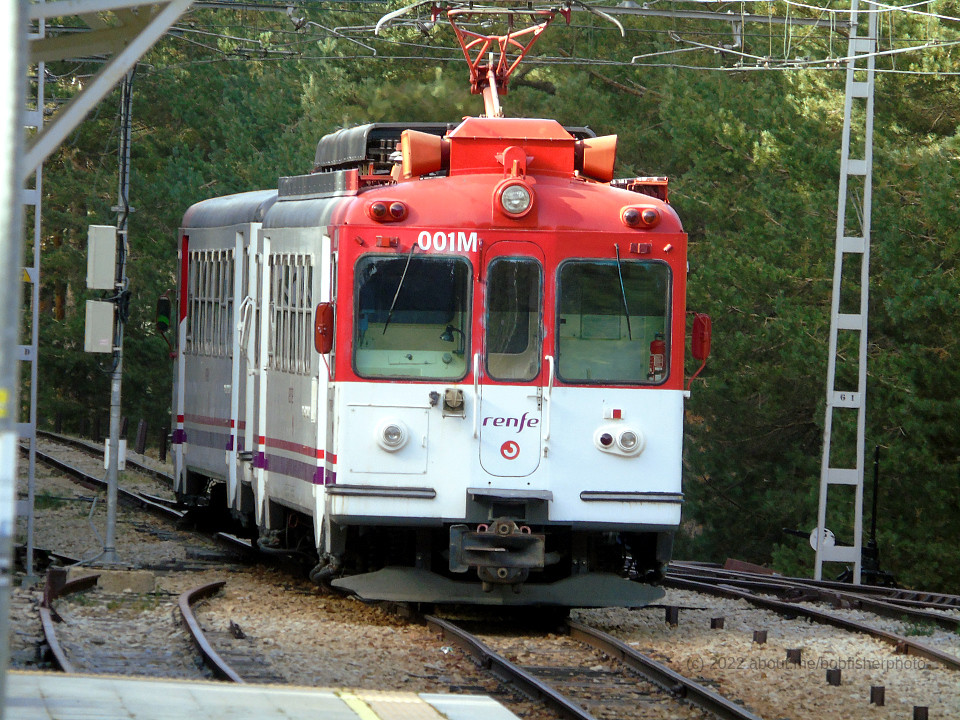
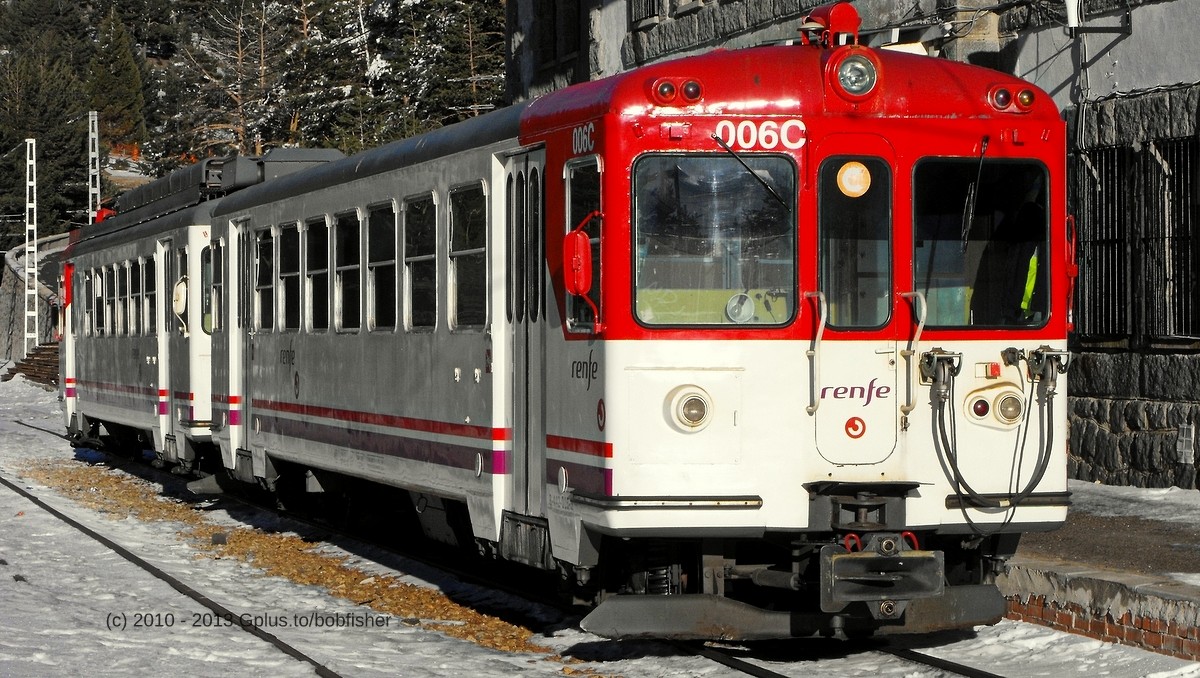
🇫🇷 Ce soir, nous poursuivons la visite des transports à København et sa région lors de ce séjour de janvier 2006. Aujourd'hui, le métro et le S-tog.
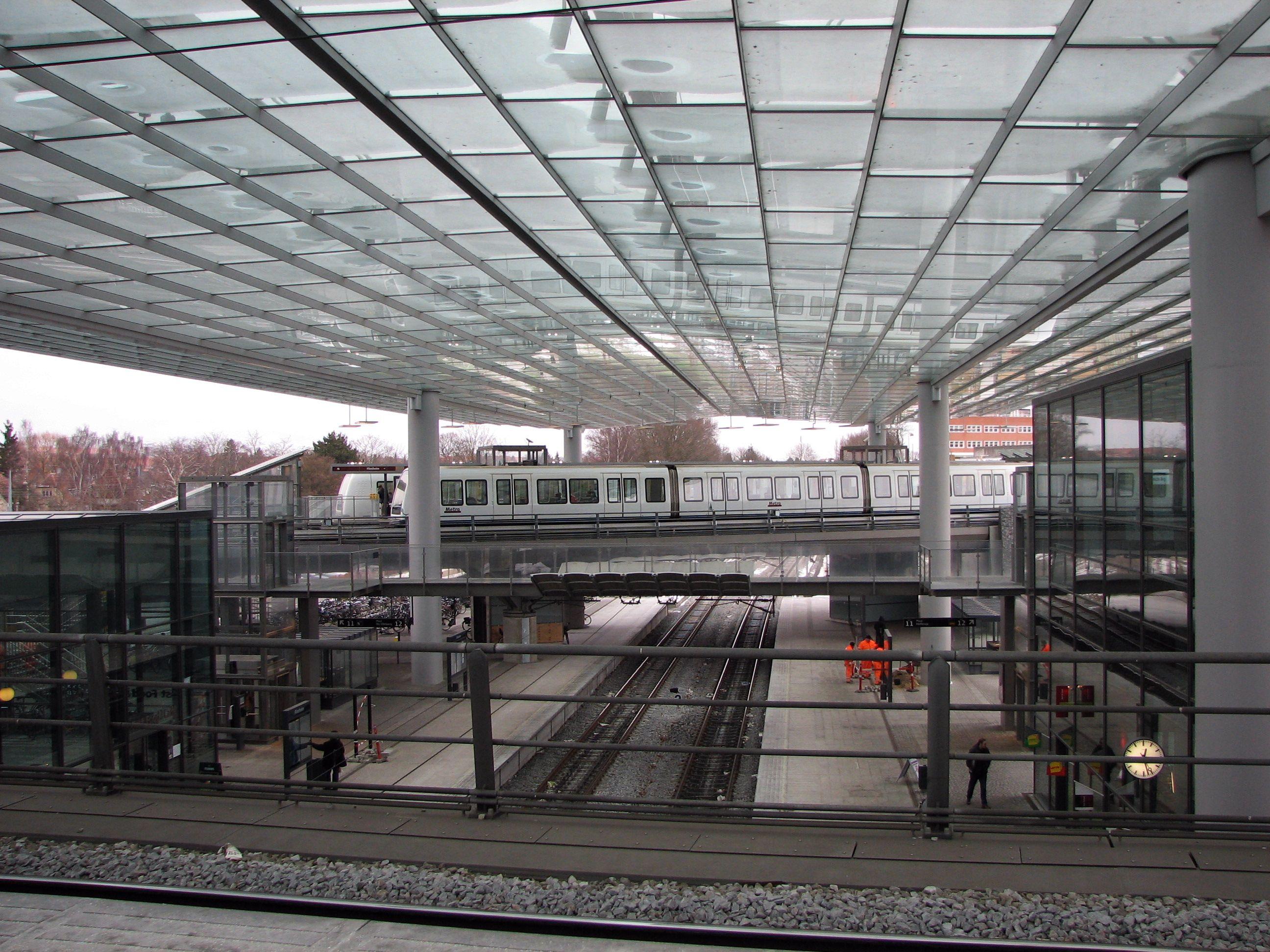
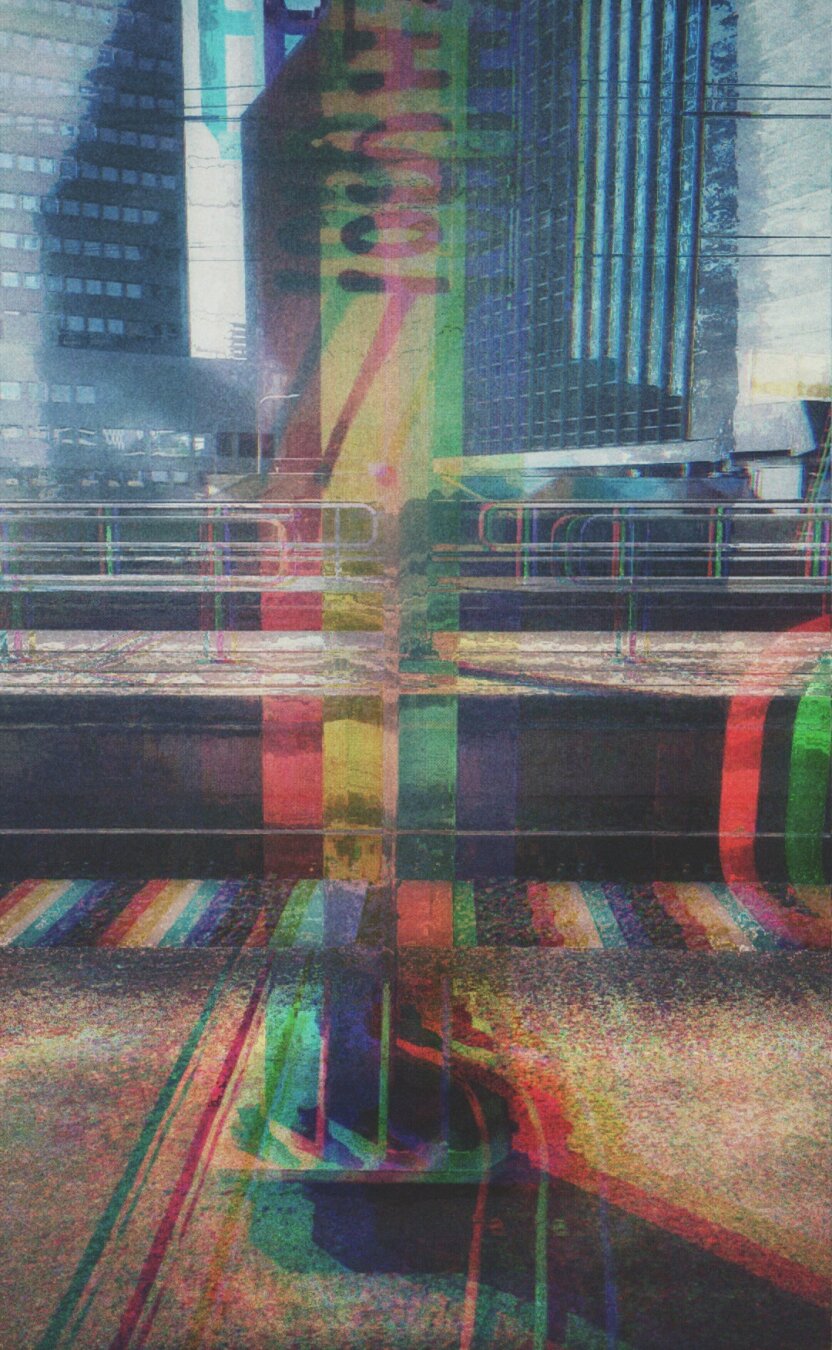
Le métro est entièrement automatisé et en 2006, il était composé de deux lignes. La station de Flintholm, illustrée ici, avait été mise en janvier 2004 soit deux ans après l'ouverture de la première ligne du métro. Corollairement à la construction de cette station du métro, une station du S-tog (RER danois) a également été construite en faisant un pôle d'échange entre le métro et deux lignes du S-tog.
Le S-tog est lui plus ancien et est composé de six lignes référencées de A à H (excepté D!) et d'une ligne "express" qui ne circule qu'aux heures de pointe. Les fréquences sont élevées.
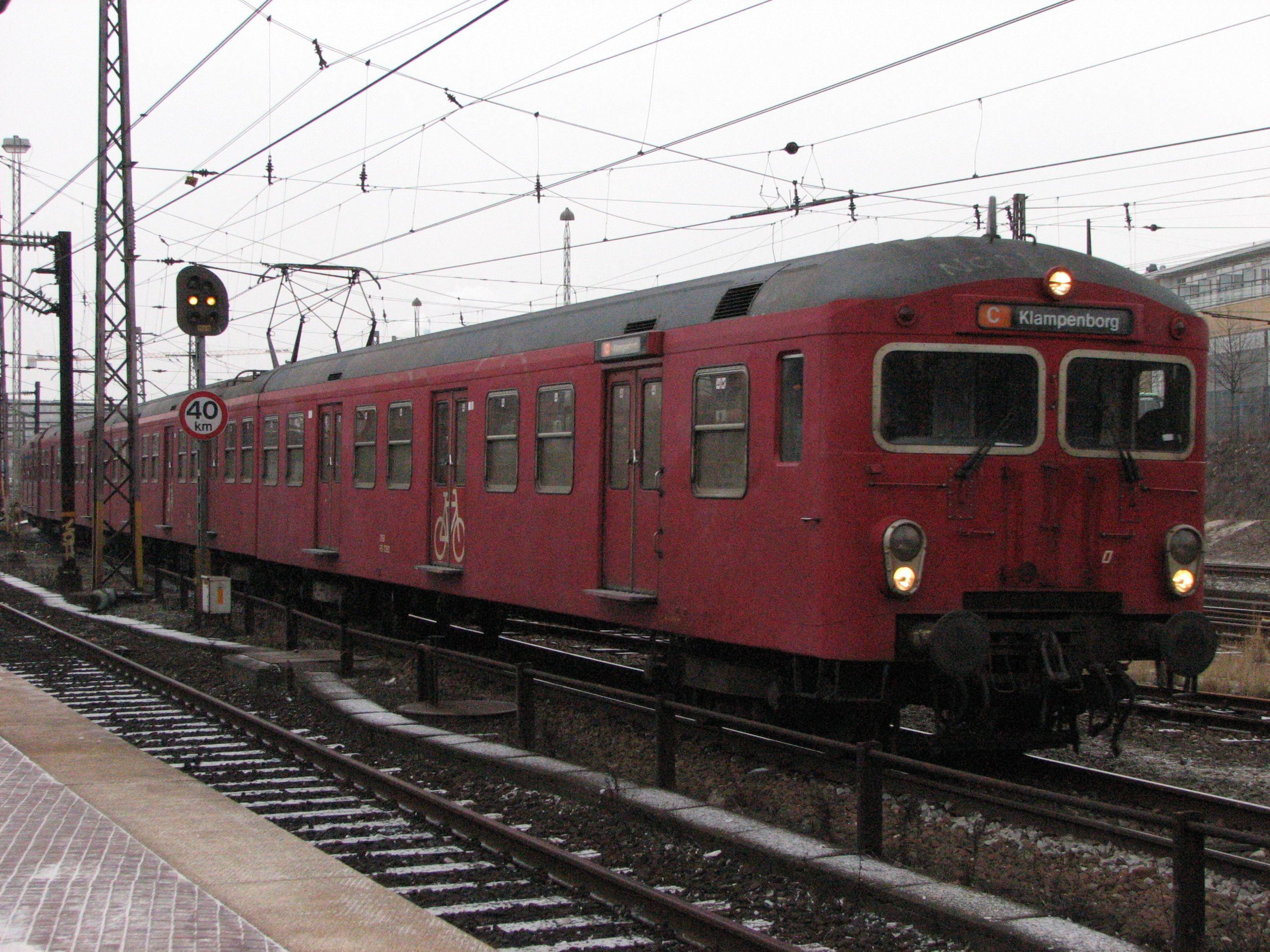
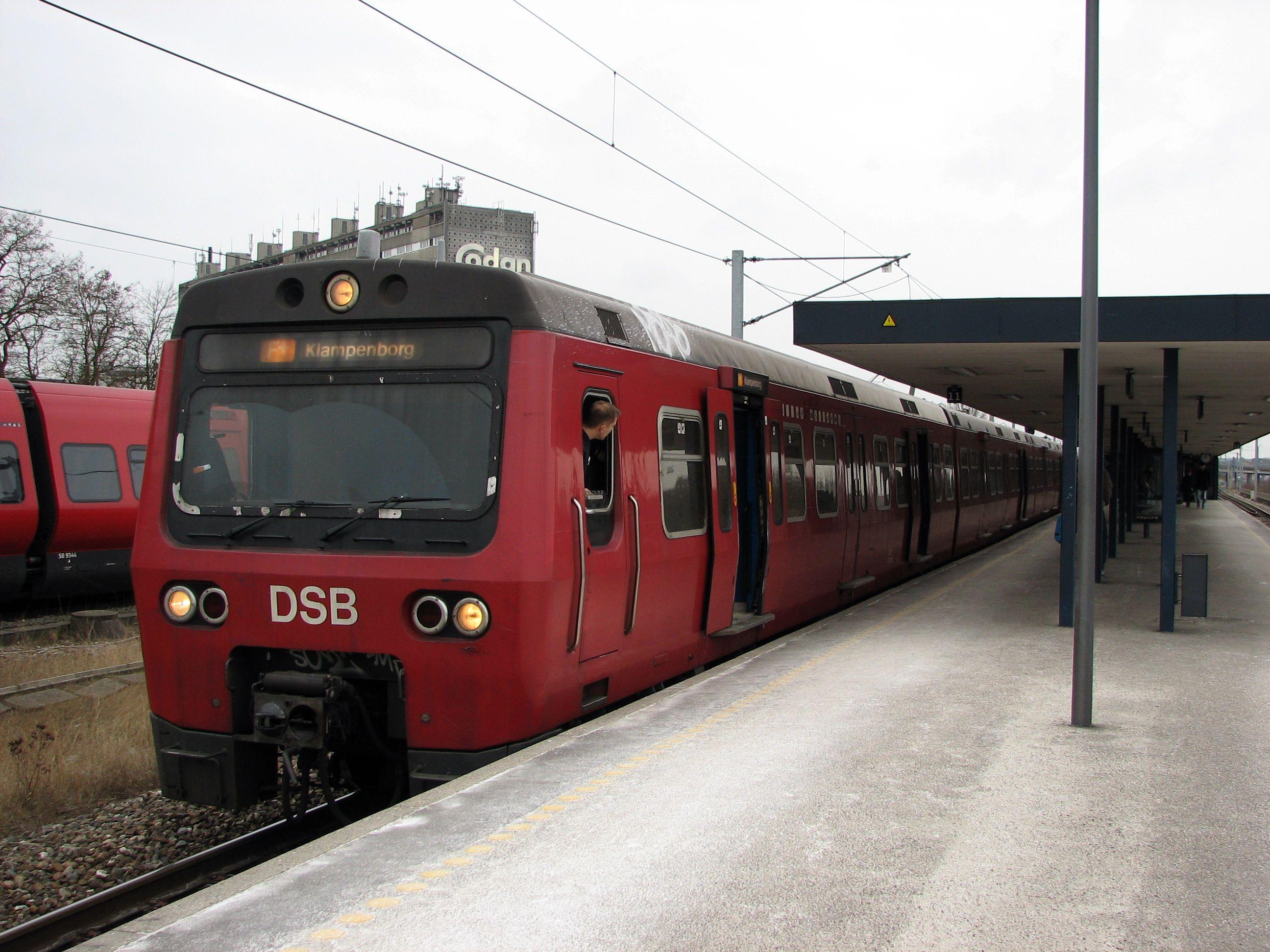
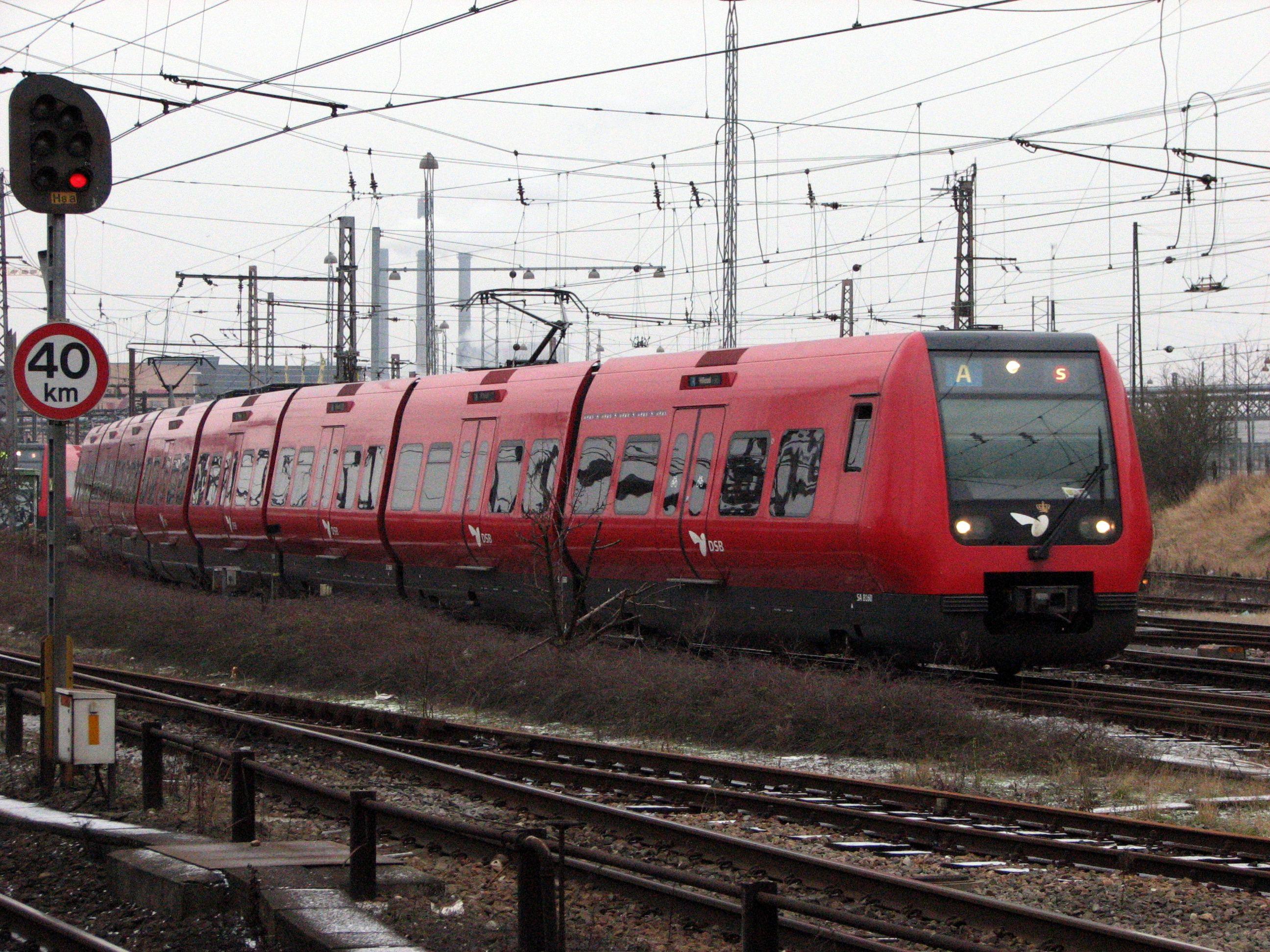
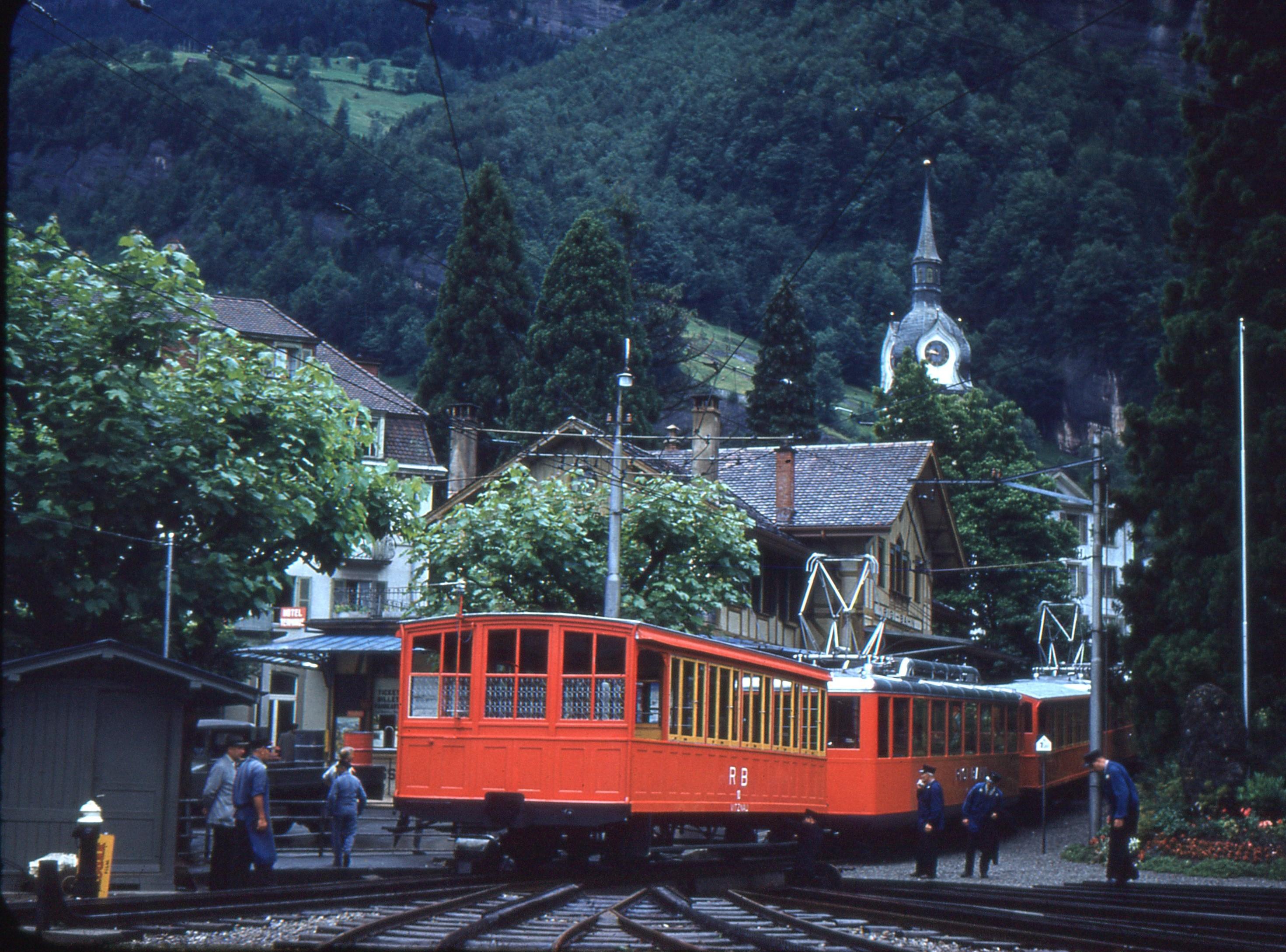
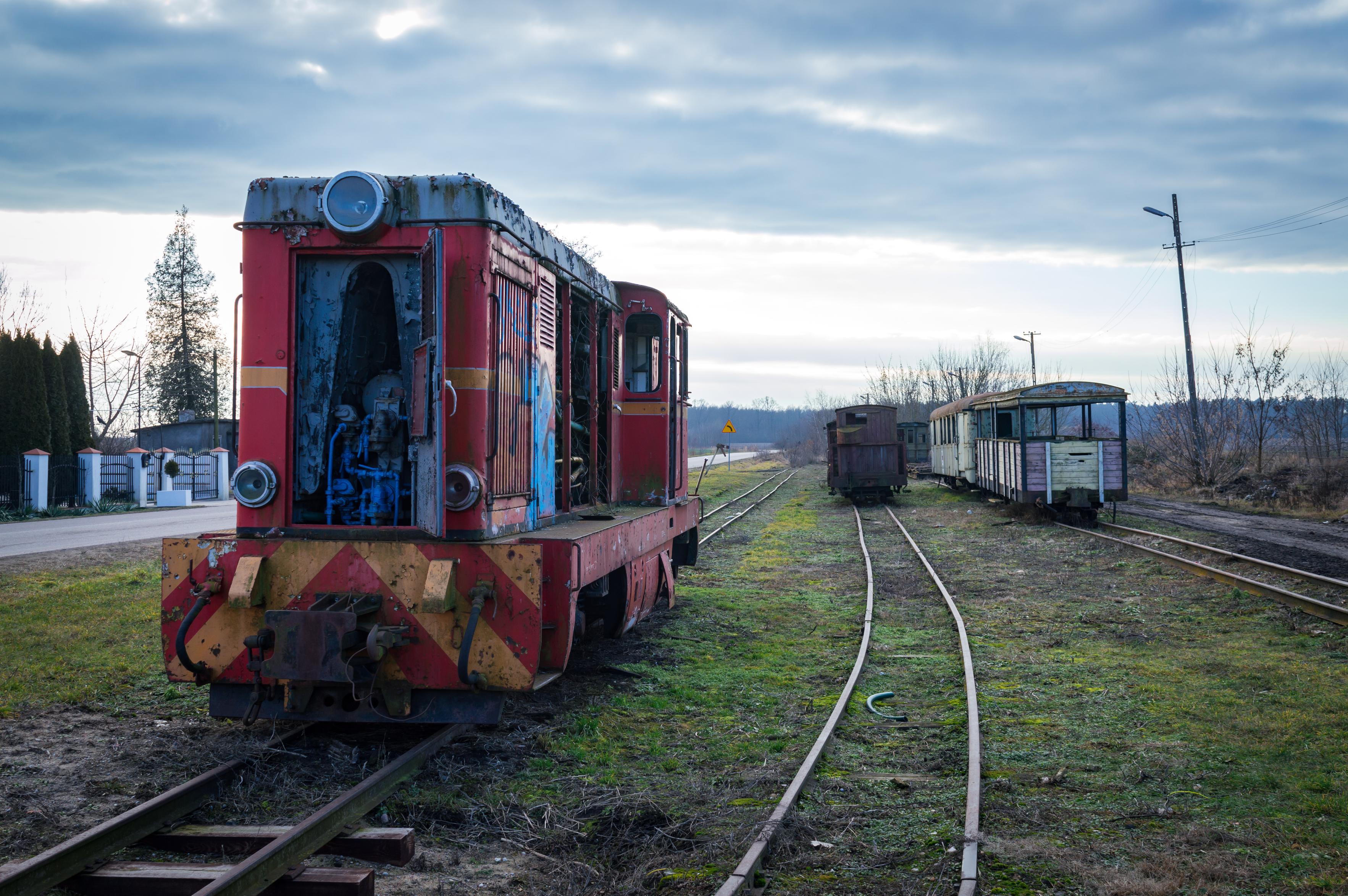
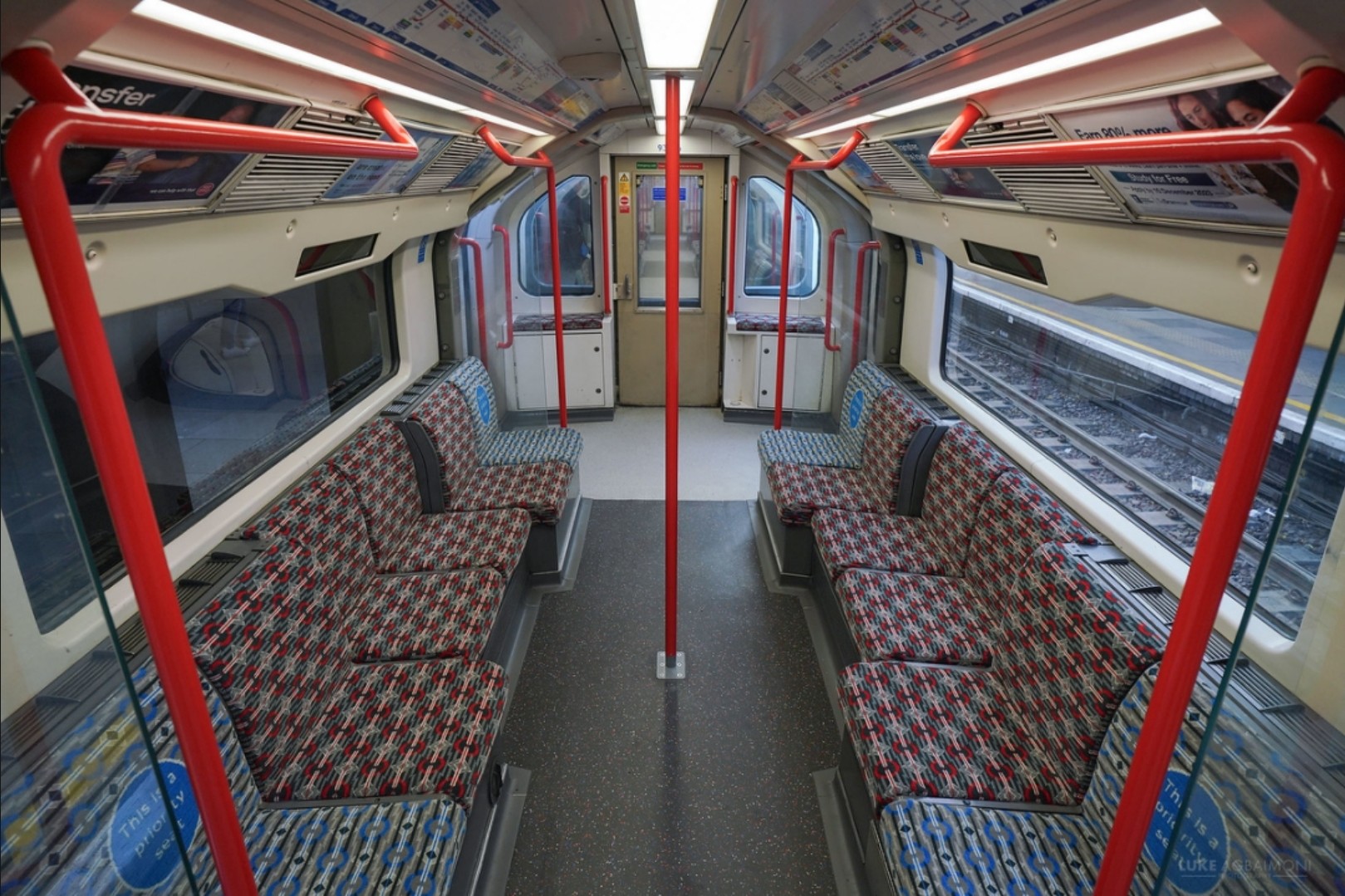
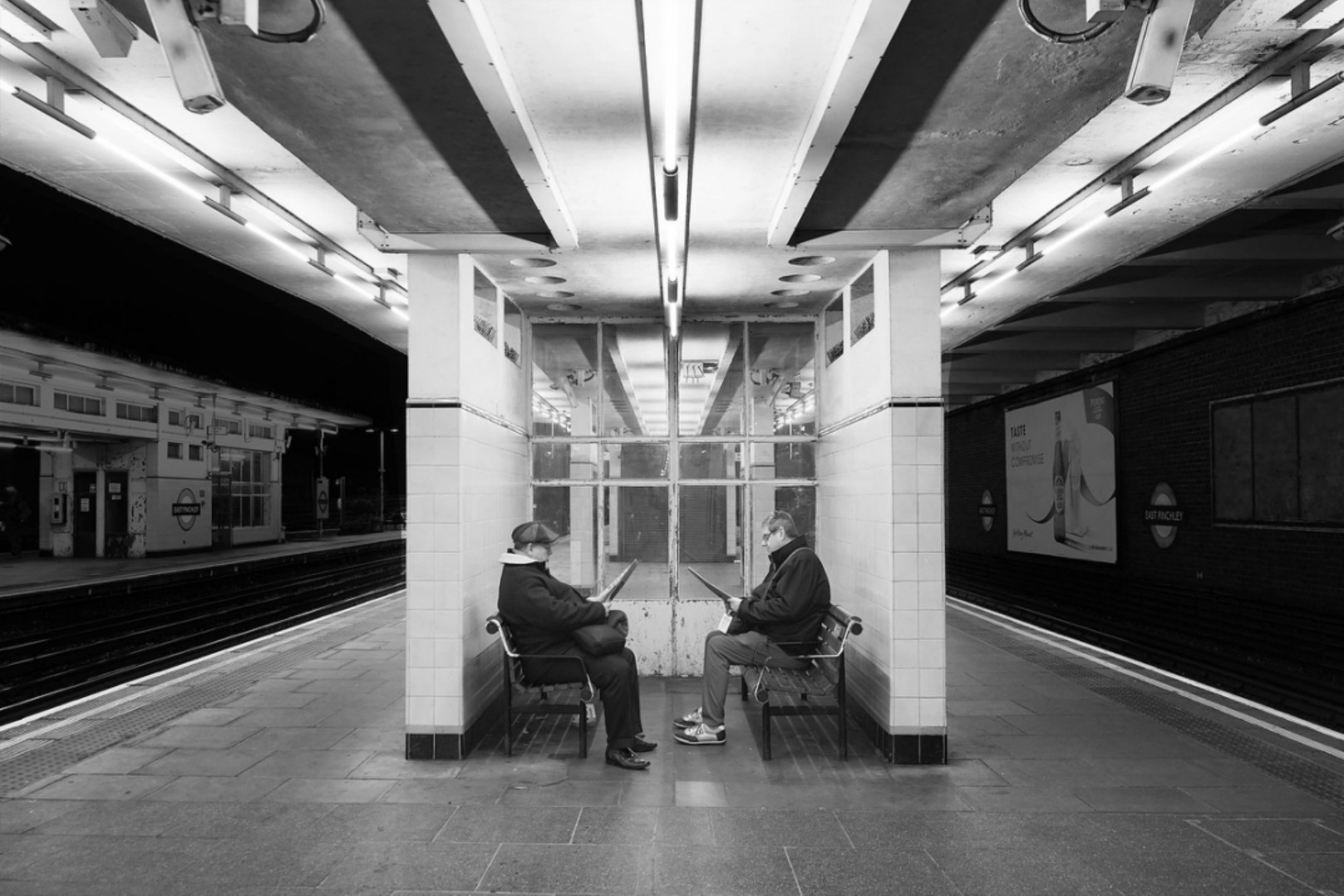
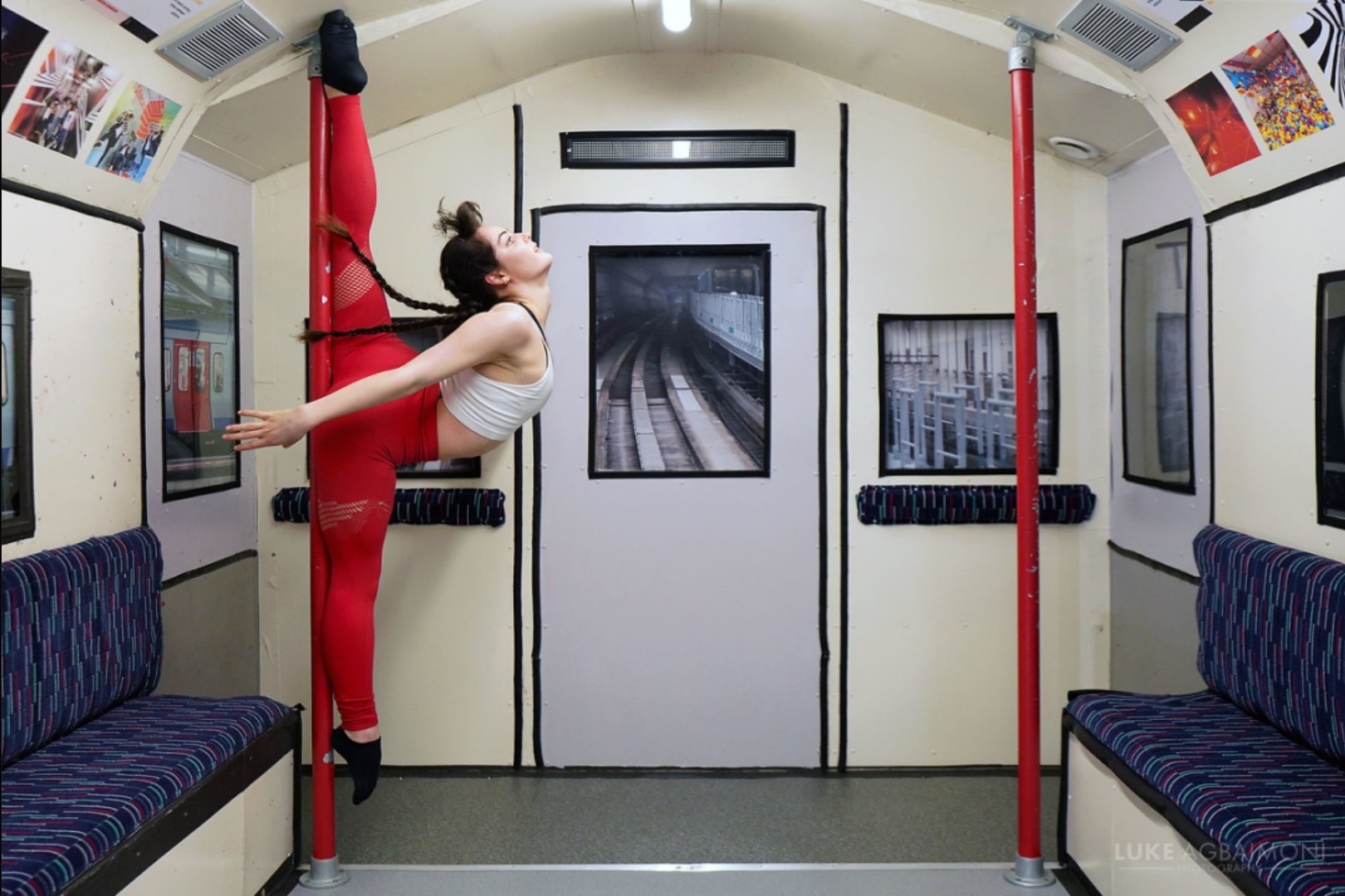
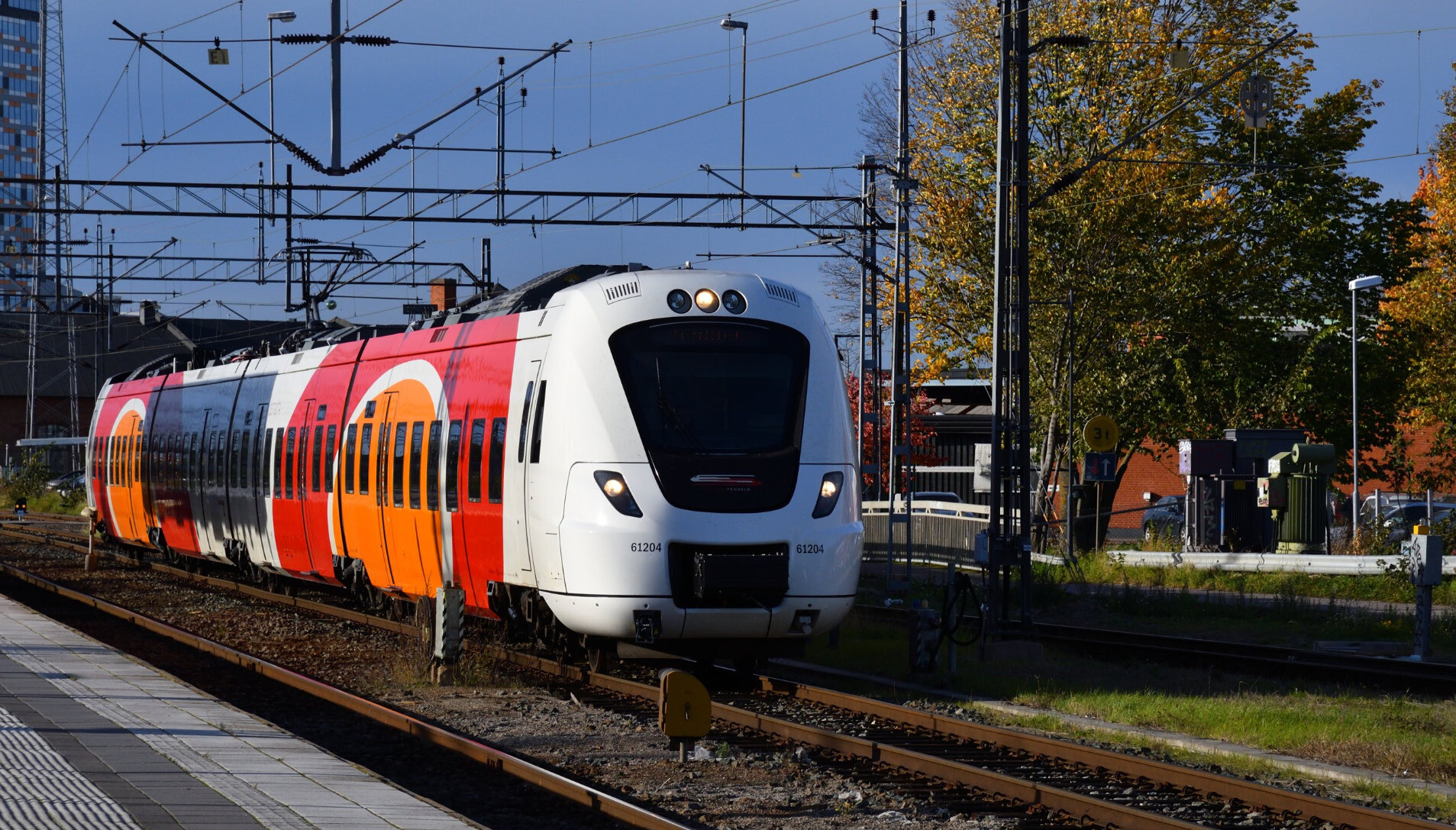
En 2006, il existait encore trois générations de matériel roulant : les rames de seconde génération (photo 2), de troisième génération, une petite série de douze rames quadruple seulement (photo 3) et de quatrième génération, au design presque futuriste, toujours en service aujourd'hui (photo 4).
Dans un futur assez proche, un consortium formé de Siemens Mobility et Stadler fournira 226 rames de cinquième génération et procédera à la transformation du réseau pour rendre l'exploitation entièrement automatique à partir de 2032 sur la "Ringbane" et en 2040 sur l'ensemble du réseau S-tog. (voir : https://www.railpassion.fr/reseaux-etrangers/danemark-stadler-et-siemens-fourniront-les-nouveaux-trains-de-banlieue-automatiques-de-copenhague/)
Deux autres liens intéressants (e'n anglais) : https://www.urbanrail.net/eu/dk/kobenhavn/kobenhavn.htm
https://en.wikipedia.org/wiki/S-train_(Copenhagen)#Third_generation_(1986%E2%80%932006)
Page officielle du S-tog (en danois) : https://www.dsb.dk/s-tog/
Bonne soirée! 👋
🇬🇧 This evening, we continue our visit to København's public transport during this stay in January 2006. Today, the metro and the S-tog.
The metro is fully automated and in 2006 it consisted of two lines. The Flintholm station, illustrated here, opened in January 2004, two years after the opening of the first line. As a corollary to the construction of this metro station, a S-tog station (Suburban trains) was also built and offers an exchange hub between the metro and two S-tog lines.
The S-tog is older and is made up of six lines referenced from A to H (except D!) and an "express" line (Bx) which is only operating during rush hours. The frequencies are high.
In 2006, there were still three generations of rolling stock: the second generation (photo 2), third generation, a small series of twelve 4-car EMUs only (photo 3) and fourth generation of EMUs, with an almost futuristic design, still in service today (photo 4).
In a near future, a consortium formed by Siemens Mobility and Stadler will supply 226 fifth generation EMUs and will be undertaken adaptation of the network to make fully automatic operations possible from 2032 on the "Ringbane" and from 2040 on the entire of the S-tog network. (see here : https://railway-news.com/siemens-and-stadler-to-supply-fully-automated-s-tog-trains-in-copenhagen/)
Some more relevant links : https://www.urbanrail.net/eu/dk/kobenhavn/kobenhavn.htm
https://en.wikipedia.org/wiki/S-train_(Copenhagen)#Third_generation_(1986%E2%80%932006)
Official website (in Danish) : Page officielle du S-tog (en danois) : https://www.dsb.dk/s-tog/
Have a nice evening! 👋
#trains #railway #railwayphotography #publicTransport #railfanning #trainspotting